The trail provides an opportunity to observe birds in their natural habitats nestled in the rocks, meadows, water and agricultural fields. While the trail goes along the forest, you can view birds in their natural habitat.
Orheiul Vechi cultural-nature reserve
Orheiul Vechi reserve is a natural, cultural landmark of national significance in Moldova. It is located in the center of the country, along the Raut river’s gorge. It covers an area of 11k km2.
- The reserve is categorized as Category IV through the International Union for the Conservation of Nature (IUCN), for the protection of the reserves natural habitat.
- Due to its uniqueness, the Orheiul Vechi Archaeological Landscape is included in the UNESCO Indicative List.
- The reserve is part of the Orhei National Park.
- Home to about one-third of Moldova’s bird population, the reserve provides shelter for more than 100 species of birds.
Important information
- The trail is located between the Butuceni and Trebujeni villages. It’s recommended for an easy walk along the left bank of Butuceni and the right bank along the Pestera farmlands and the Raut river. There are options to complete the trail as a loop or the different start and endpoints.
- The trail area on the left bank of the Raut river, between the villages of Butuceni and Trebujeni, runs along an unpaved path at times very narrow. In summer, after heavy rains, the path can be covered by vegetation. Snakes danger.
- The trail on the right bank of the Raut river runs along the field road from the Trebujeni farmlands. Access without risks throughout the year.
- Public transport to Chisinau and Orhei is available from Piatra and Furceni villages. More details can be found on https://autogara.md
Tourist attractions of the route
- Sehr al Cedid Ruins: built by Tatar Mongols, Golden Horde in the XIVth century and Orhei medieval town dating back to the XIV-XVIth century.
- Tatar Baths Ruins: dating back to the XIVth century. Accessible for visiting.
- Caravanserai Ruins: remains from the XIVth century. Accessible for visiting.
- Medieval Church Ruins: historic church remains from the XVIth century. Accessible for visiting
- Bosie Cave Church: dates back to the XVIth century. Visible from the trail and accessible by climbing an unpaved path. Difficulty level: medium, slip risk.
- Assumption Monastery: stone church, dating back to 1904, carved into the Pestera cave, where the monks resided in the XVIth century. Accessible for viewing along the trail.
- Medieval Spring: grab a drink of water fresh from the spring. Accessible for visiting.
The legend
Market
Guesthouse
House of culture
Bridge
Spring
Infopoint
WC
Administrative building
Parking
Police
Winery
Museum
Tourist attraction
Cave monastery
Church, monastery
Raptors
Meadow species
Rock species
Farmland species
Birds to see?
Around the rocks of the Butuceni:
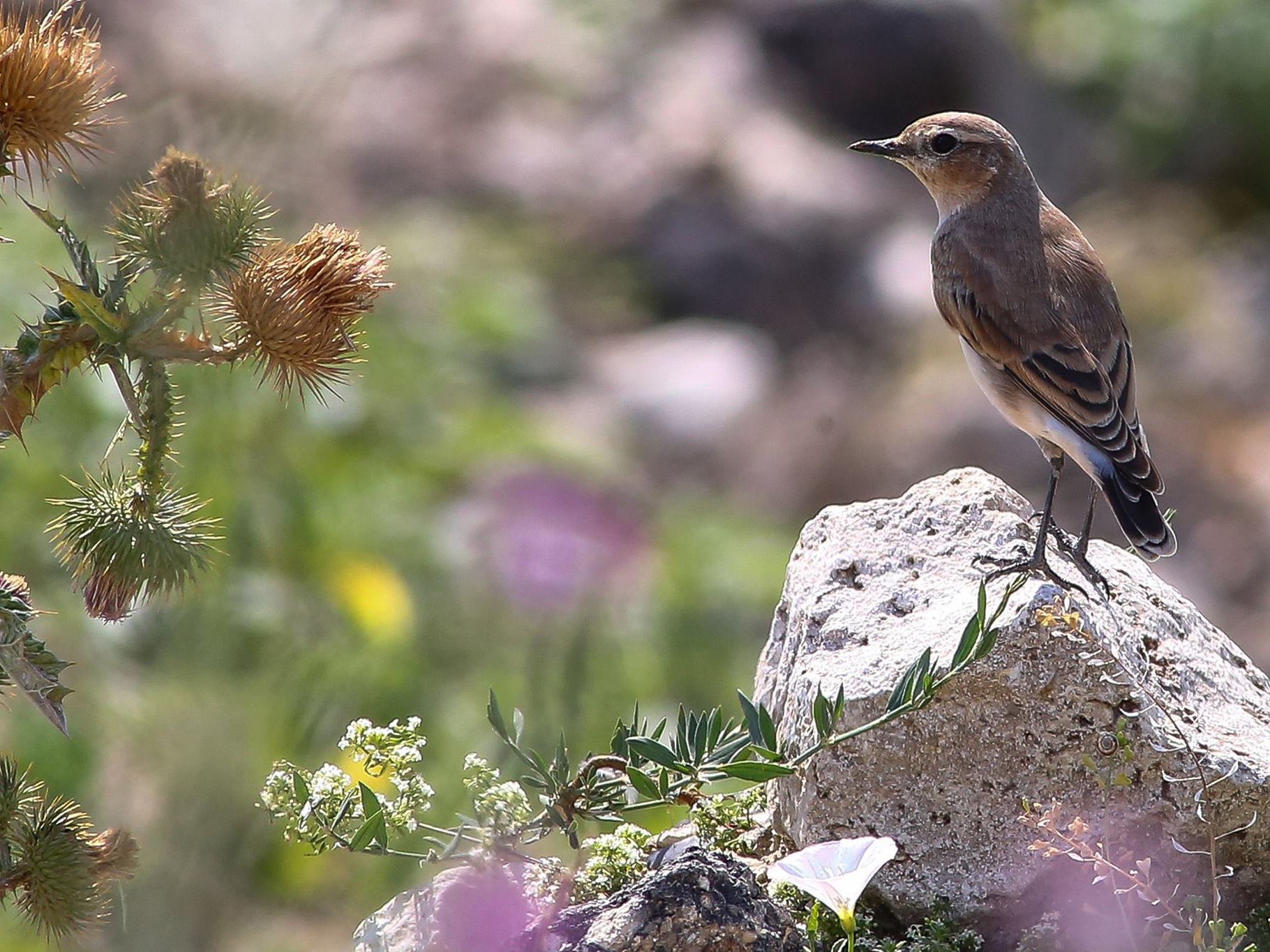
Pietrar sur
Oenanthe oenantheSpecia preferă habitatele stâncoase, dar cuibărește și în ravene argiloase, șantiere sau construcții în ruine. Este oaspete de vară, putând fi observat în perioada aprilie-octombrie.
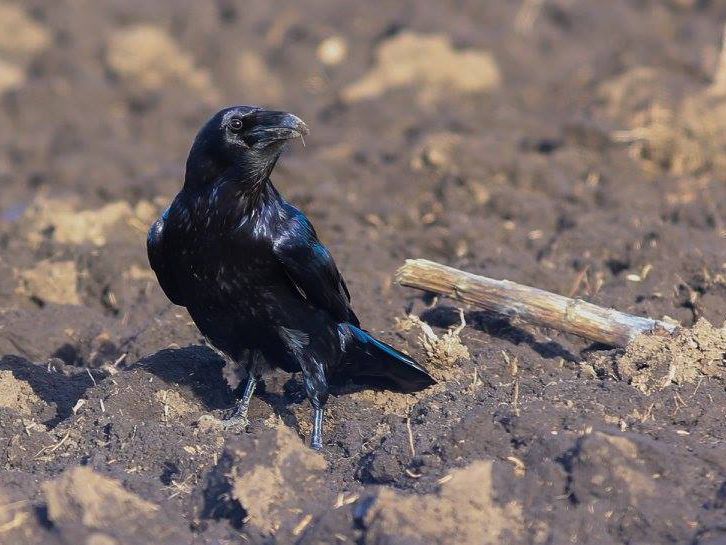
Corb
Corvus coraxCuibărește în habitate de păduri de foioase sau de conifere, dar se hrănește în majoritatea tipurilor de habitate: pajiști, terenuri agricole, văi, lunci, etc. Este o specie sedentară, putând fi văzută întregul an.
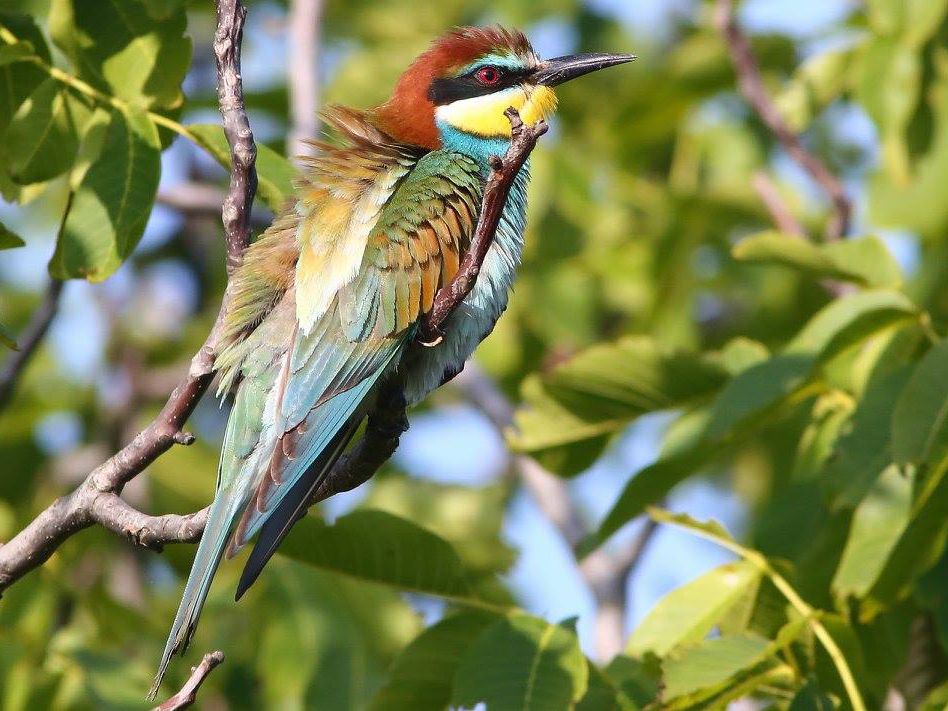
Prigorie
Merops apiasterOcupă preponderent pantele lutoase însorite, ravenele argiloase și nisipoase, iar uneori și malurile abrupte ale lacurilor/râurilor. Specia este oaspete de vară, putând fi văzută în perioada mai-septembrie.
In the meadow along the Raut river from the Butuceni and Pestera areas:
Presură galbenă
Emberiza citrinellaCuibărește în ținuturile împădurite de șes și de deal, dar poate fi întâlnită și în terenurile agricole sau luncile râurilor. Întrucât unele stoluri pot migra parțial, specia poate fi văzută la noi pe parcursul întregului an.

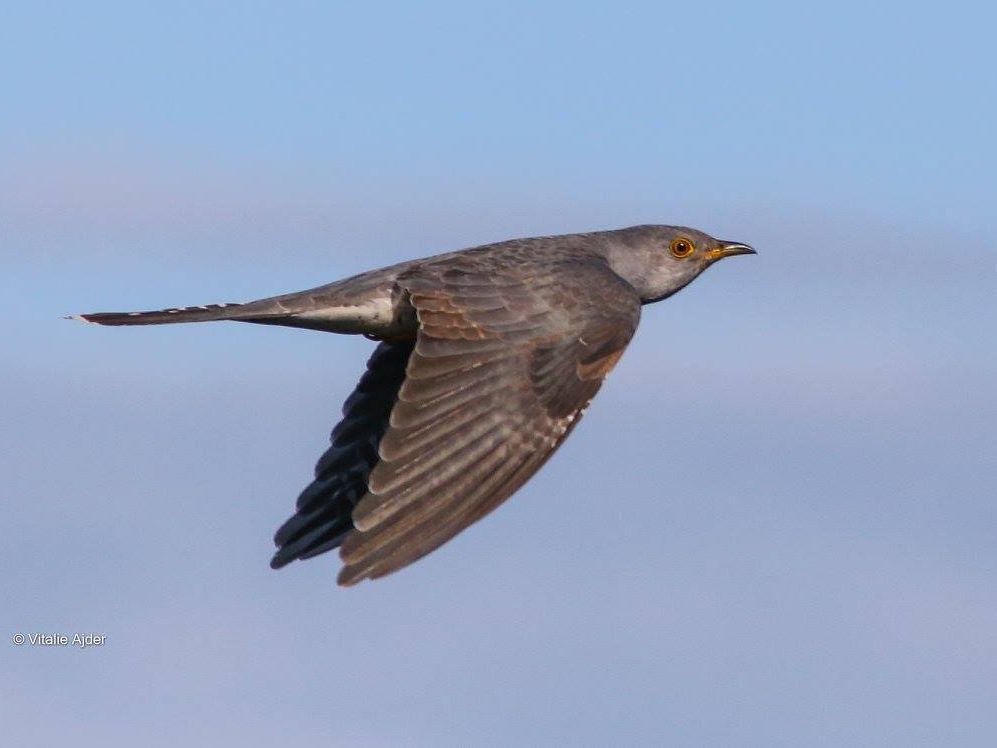
Cuc
Cuculus canorusPoate fi întâlnit într-o varietate mare de habitate, inclusiv păduri, terenuri agricole, stuf și zone umede, pajiști, lunci, etc. Este oaspete de vară, putând fi văzut în lunile aprilie-iulie.
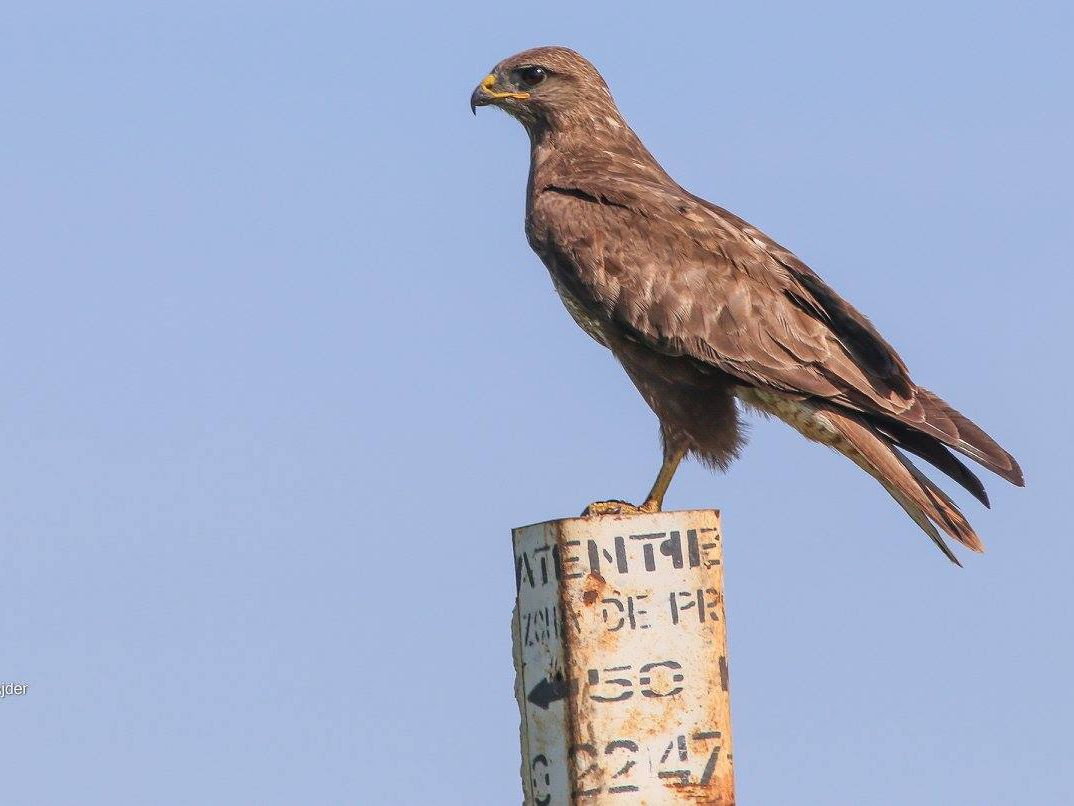
Șorecar comun
Buteo buteoPoate fi întâlnit în păduri de câmpie, deal sau stâncărie, mărginite de pajiști sau terenuri agricole unde poate vâna. În general, este o specie sedentară, putând fi văzută pe parcursul întregului an, însă unii indivizi pot migra parțial în alte regiuni.
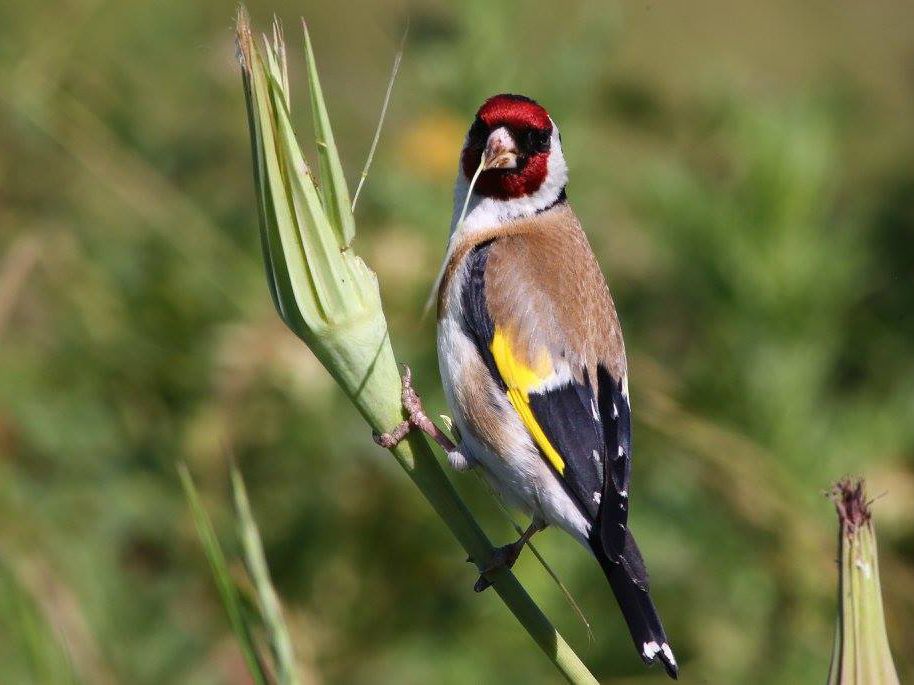
Sticlete
Carduelis carduelisSpecia este întâlnită în parcuri, livezi, grădini, perdele forestiere, aflate de obicei în habitate deschise. Este sedentară, putând fi văzută pe parcursul întregului an.
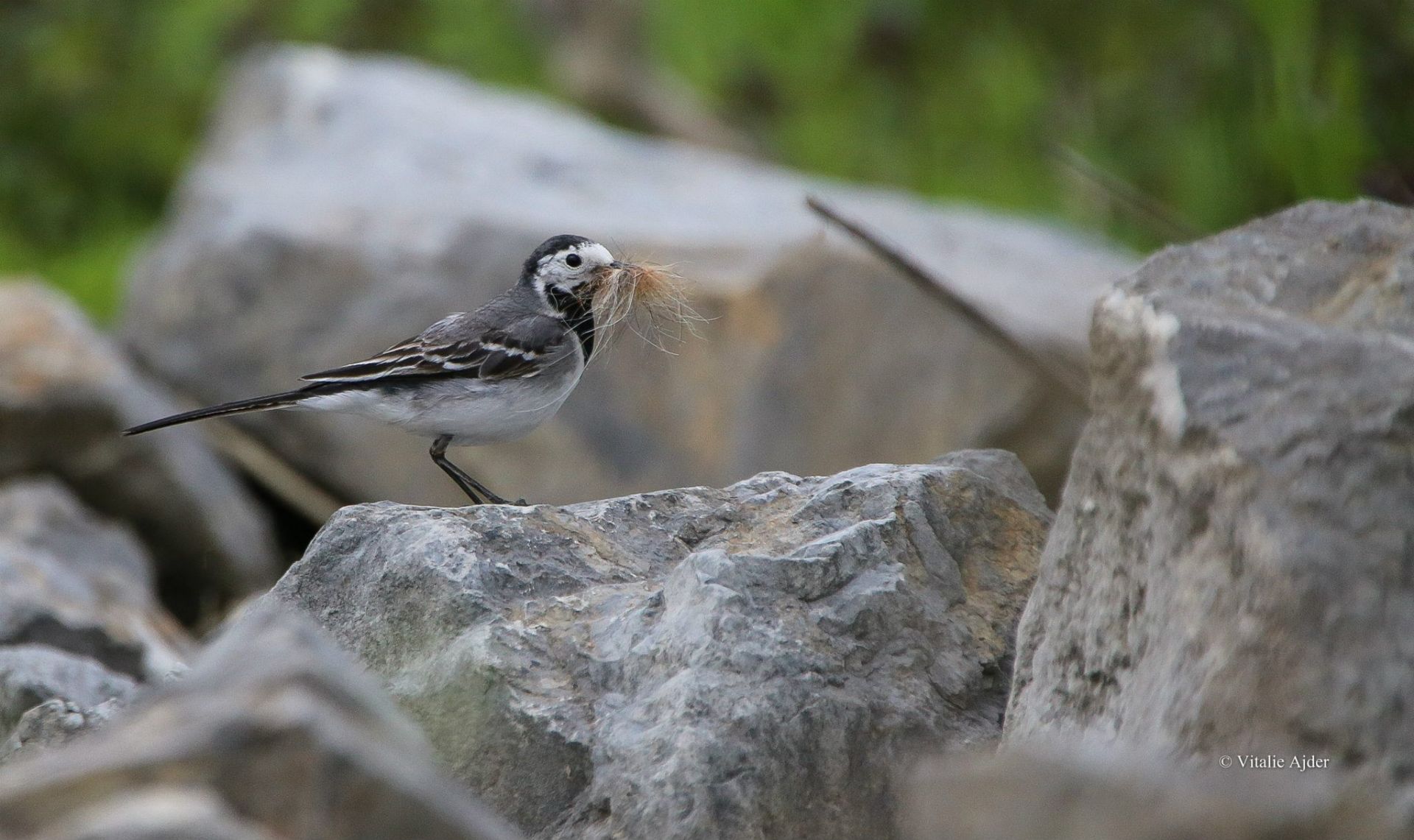
Codobatură albă
Motacilla albaPreferă habitatele situate în apropierea unor ape, fiind întâlnită de asemenea și în parcuri, grădini și terenuri agricole, ajungând chiar și în zonele urbane și rurale. Este oaspete de vară, putând fi observat în perioada martie-octombrie.
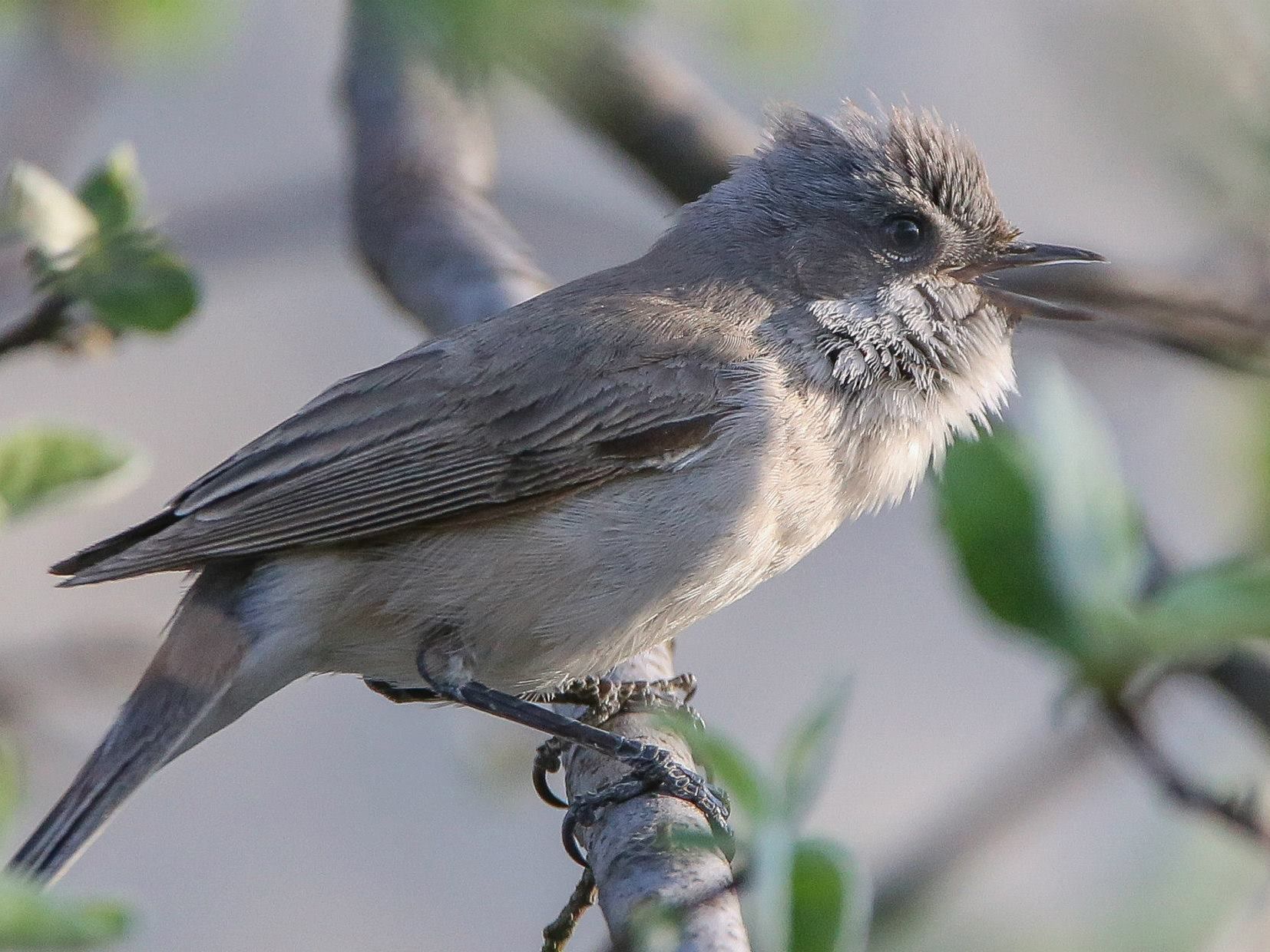
Silvie mică
Sylvia currucaPreferă marginea pădurilor, sau parcurile cu subarboret bogat, unde își ascunde cuibul. Este oaspete de vară, putând fi observat în perioada aprilie-octombrie.
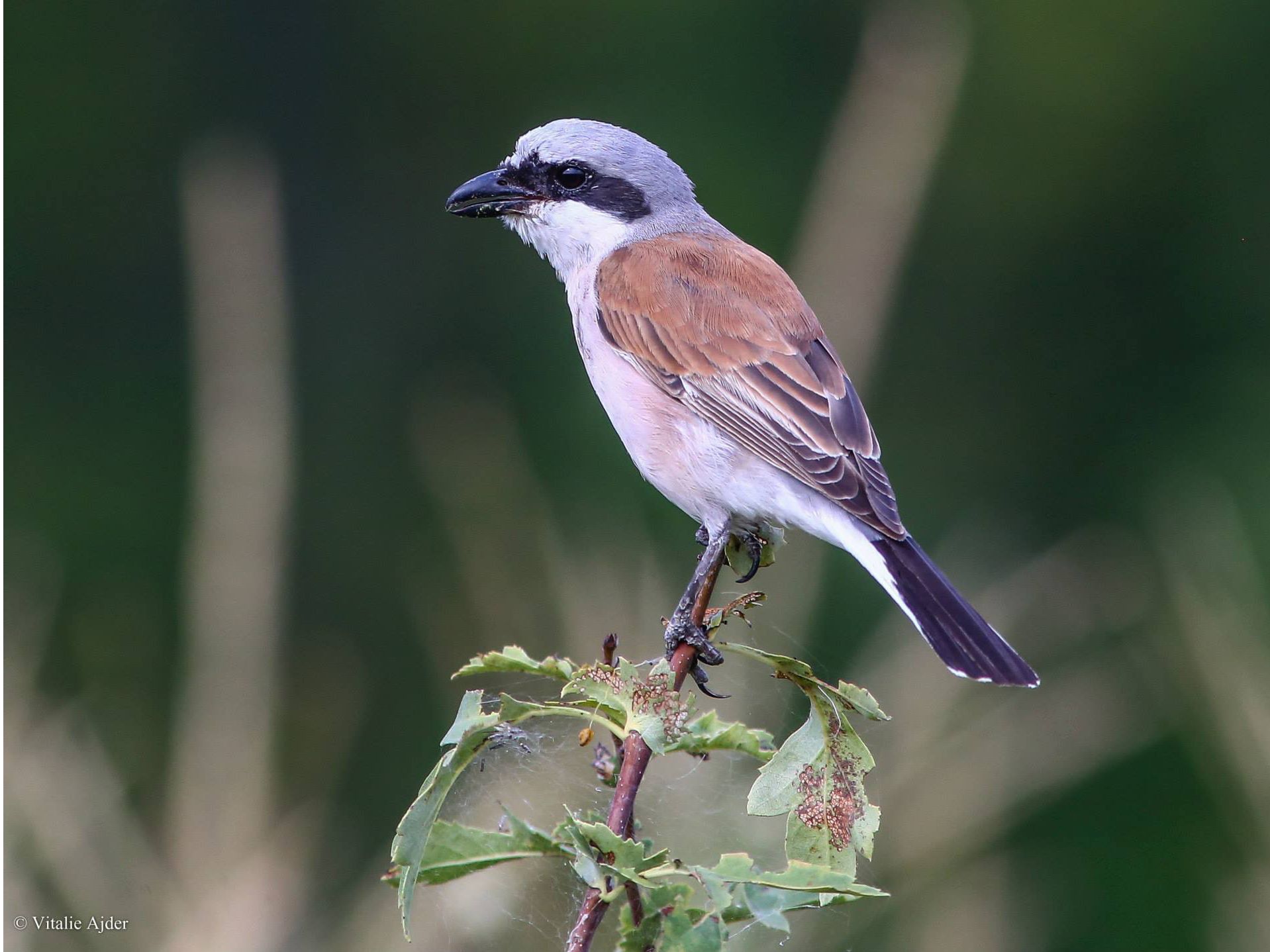
Sfrâncioc roșiatic
Lanius collurioPreferă zonele agricole deschise cu tufişuri şi copaci izolaţi. Este oaspete de vară, putând fi văzut în perioada mai-septembrie.
Along the Raut river:
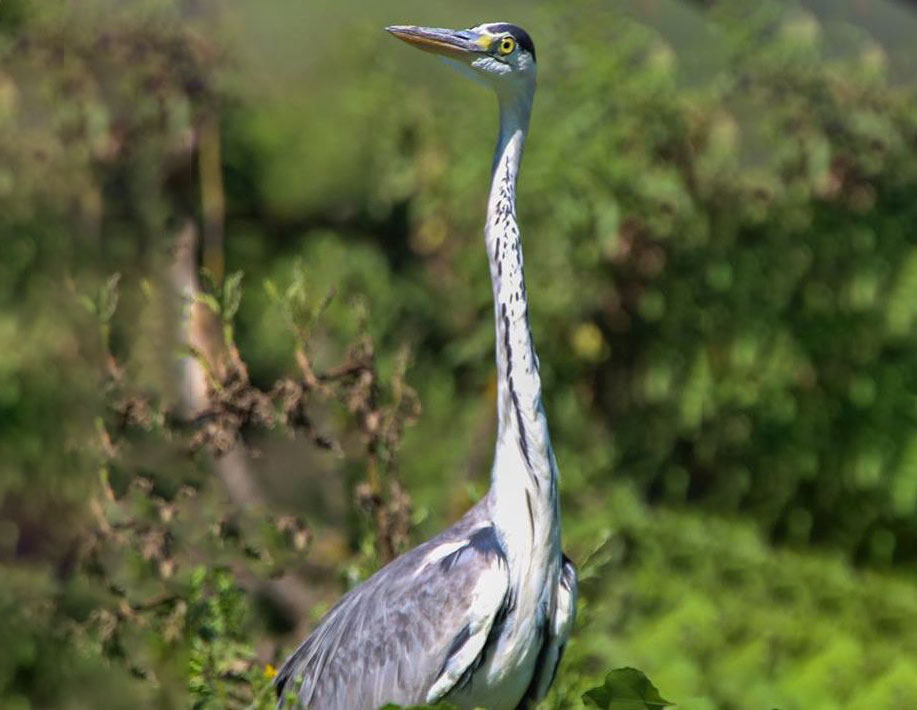
Stârc cenușiu
Ardea cinereaPreferă habitatele umede, lacuri, mlaștini, bălți, râuri. Este oaspete de vară, putând fi observat în perioada mai-octombrie.
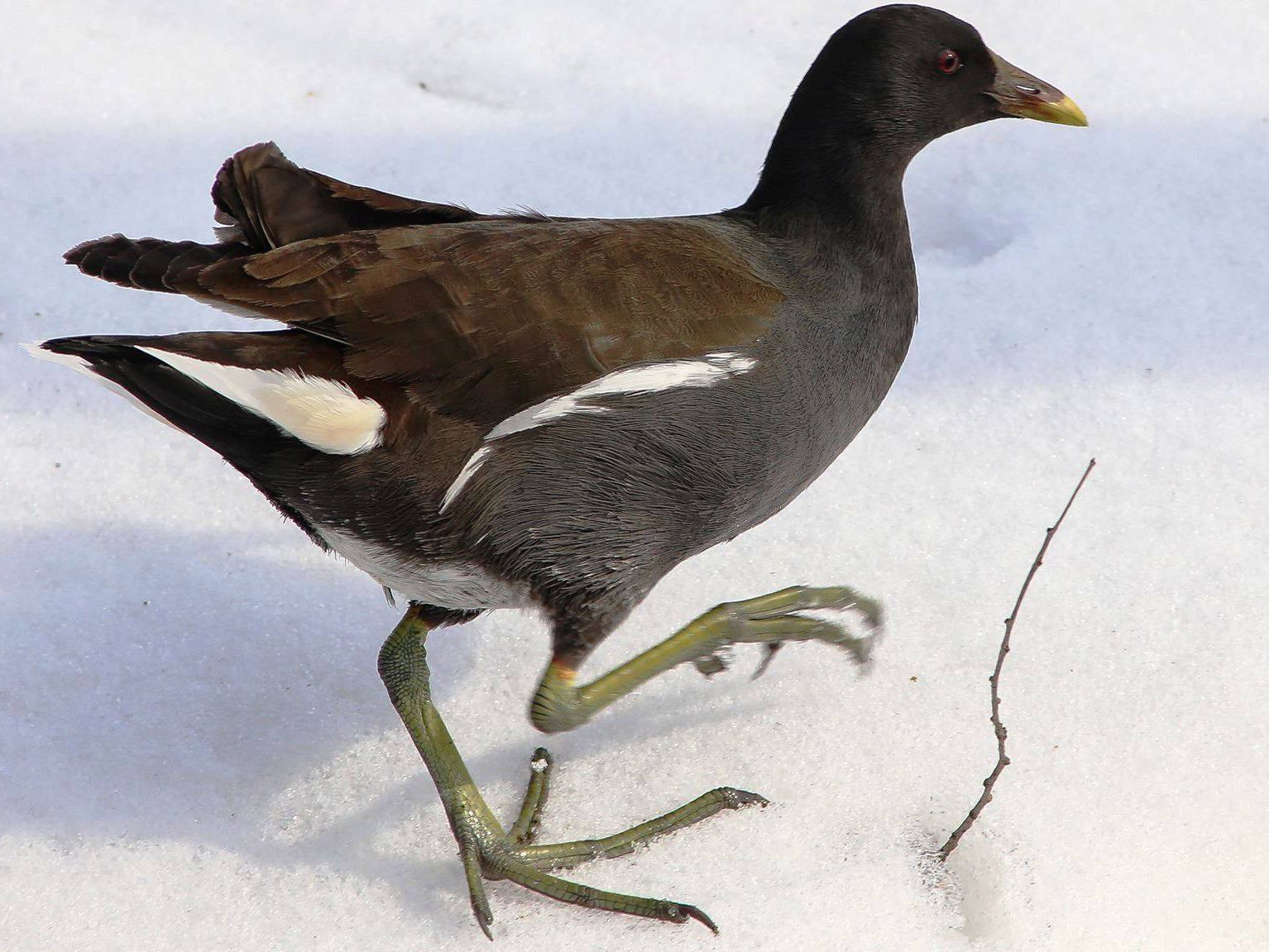
Găinușă de baltă
Gallinula chloropusEste o specie întâlnită în majoritatea habitatelor acvatice: lacuri, bălți, mlaștini sau râuri cu curgere lentă. Este oaspete de vară, putând fi observată în perioada martie-noiembrie.
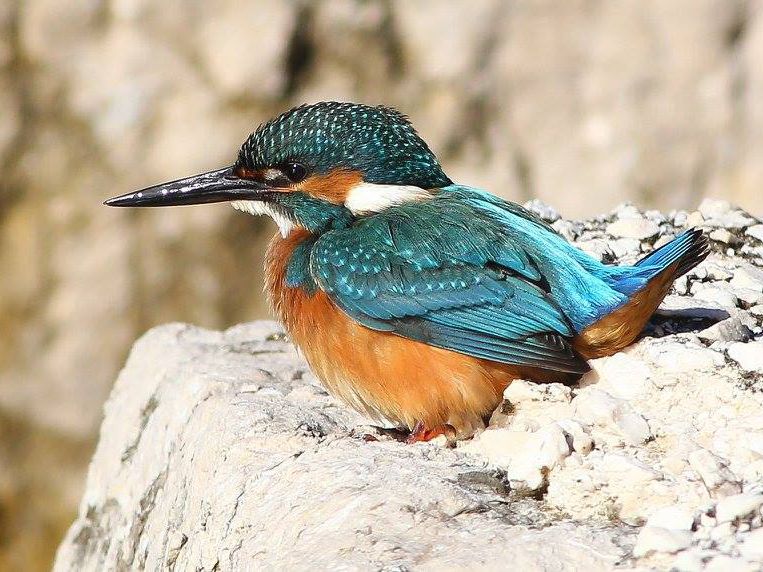
Pescăraș albastru
Alcedo atthisSpecia este caracteristică zonelor umede reprezentate de râuri, canale, lacuri cu apă dulce. Este oaspete de vară, putând fi observată în perioada martie-noiembrie.
In the forest along the Raut river banks:
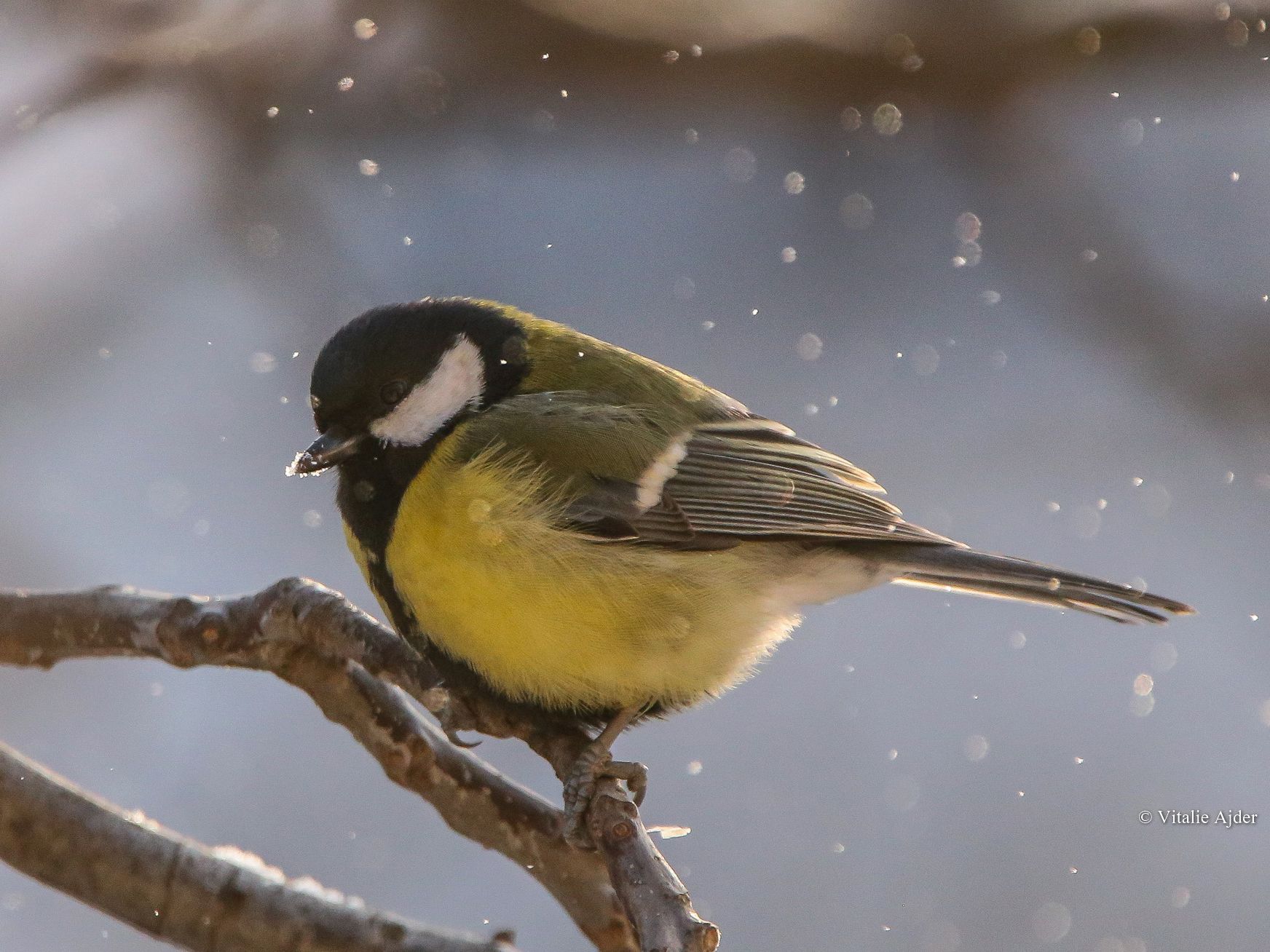
Pițigoi mare
Parus majoreste o specie foarte întâlnită în parcuri, păduri, perdele forestiere, pâlcuri de copaci, tufișuri sau chiar copaci izolați. Poate fi întâlnită în orașe, sate, câmpii, luncile râurilor, etc. Este sedentară, putând fi văzută întregul an.
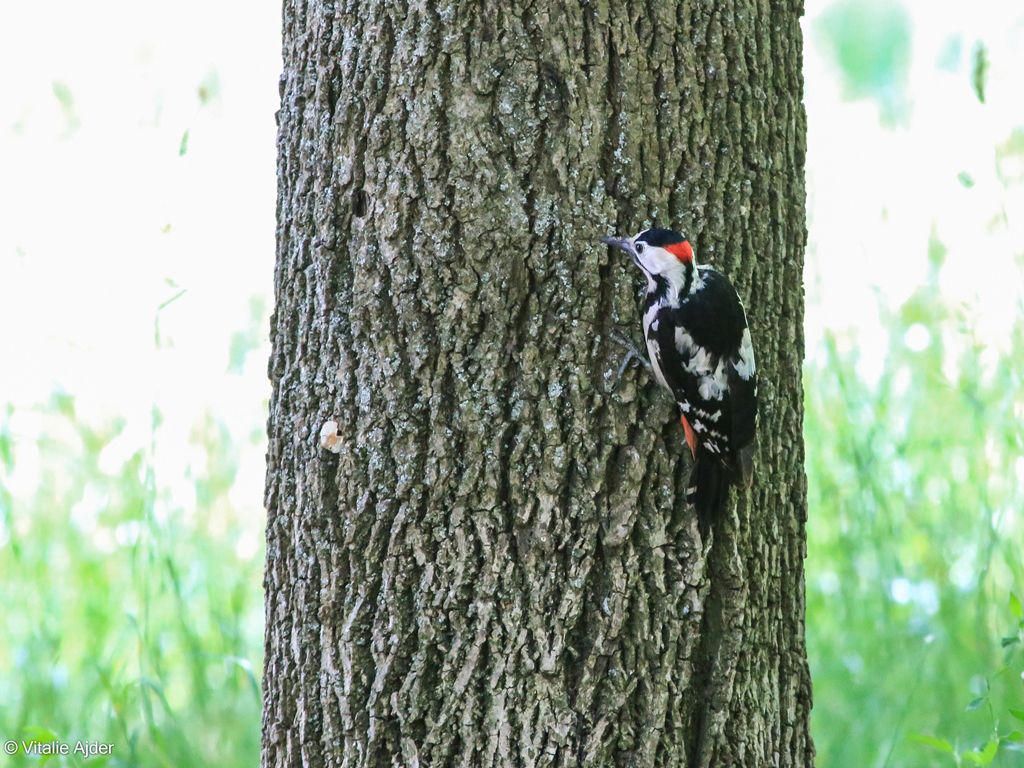
Ciocănitoare de grădini
Dendrocopos syriacusSpecie obișnuită pentru păduri, parcuri, grădini, pâlcuri de copaci. Este sedentară, putând fi observată întregul an.
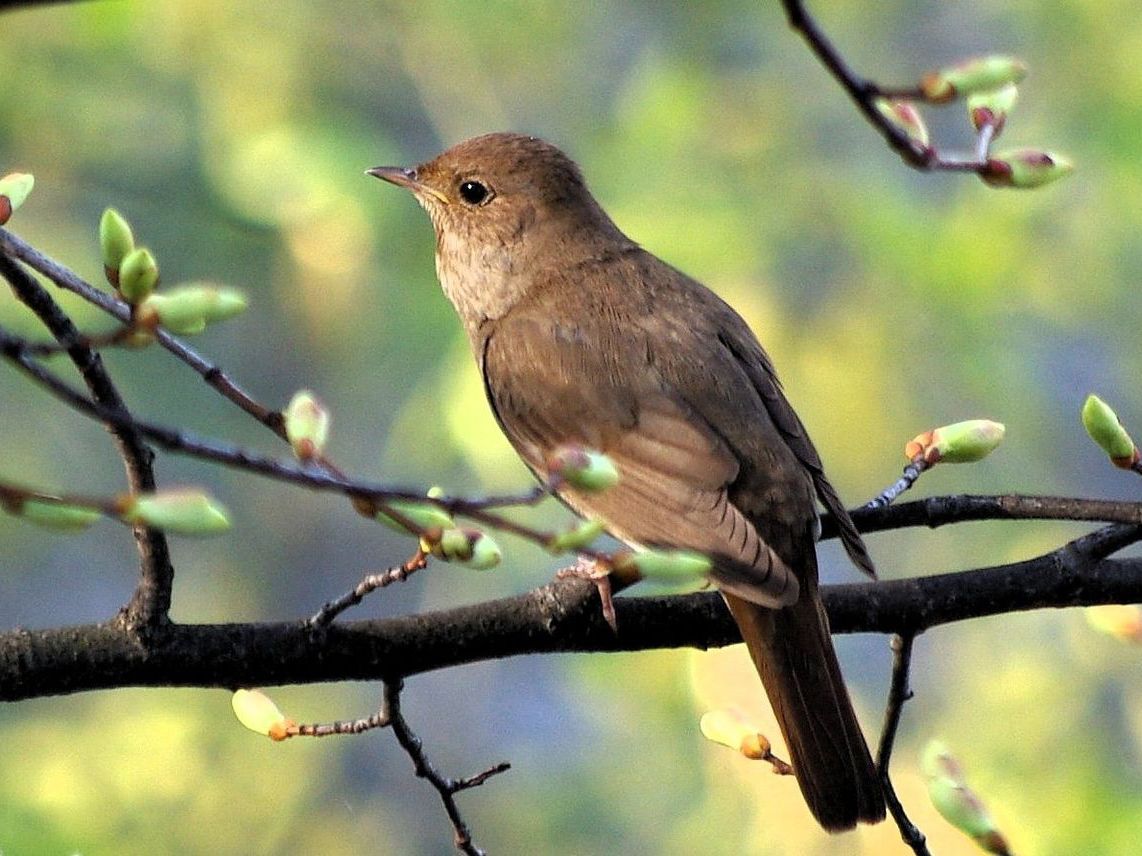
Privighetoare de zăvoi
Luscinia lusciniaSe instalează în pădurile cu mult subarboret sau în parcuri, în general în ţinuturi joase. Specia este oaspete de vară, putând fi observată în perioada aprilie-septembrie.
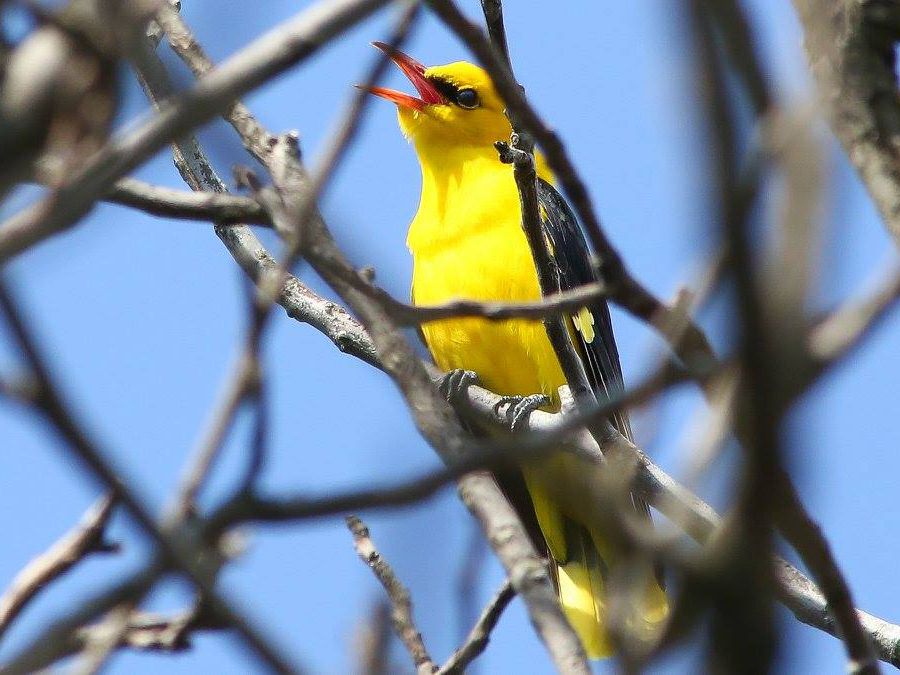
Grangure
Oriolus oriolusPreferă pădurile, dar poate fi văzut și în parcuri sau perdele forestiere. Este oaspete de vară, fiind prezent la noi în perioada aprilie-octombrie.
In orchards, farmlands and gardens:
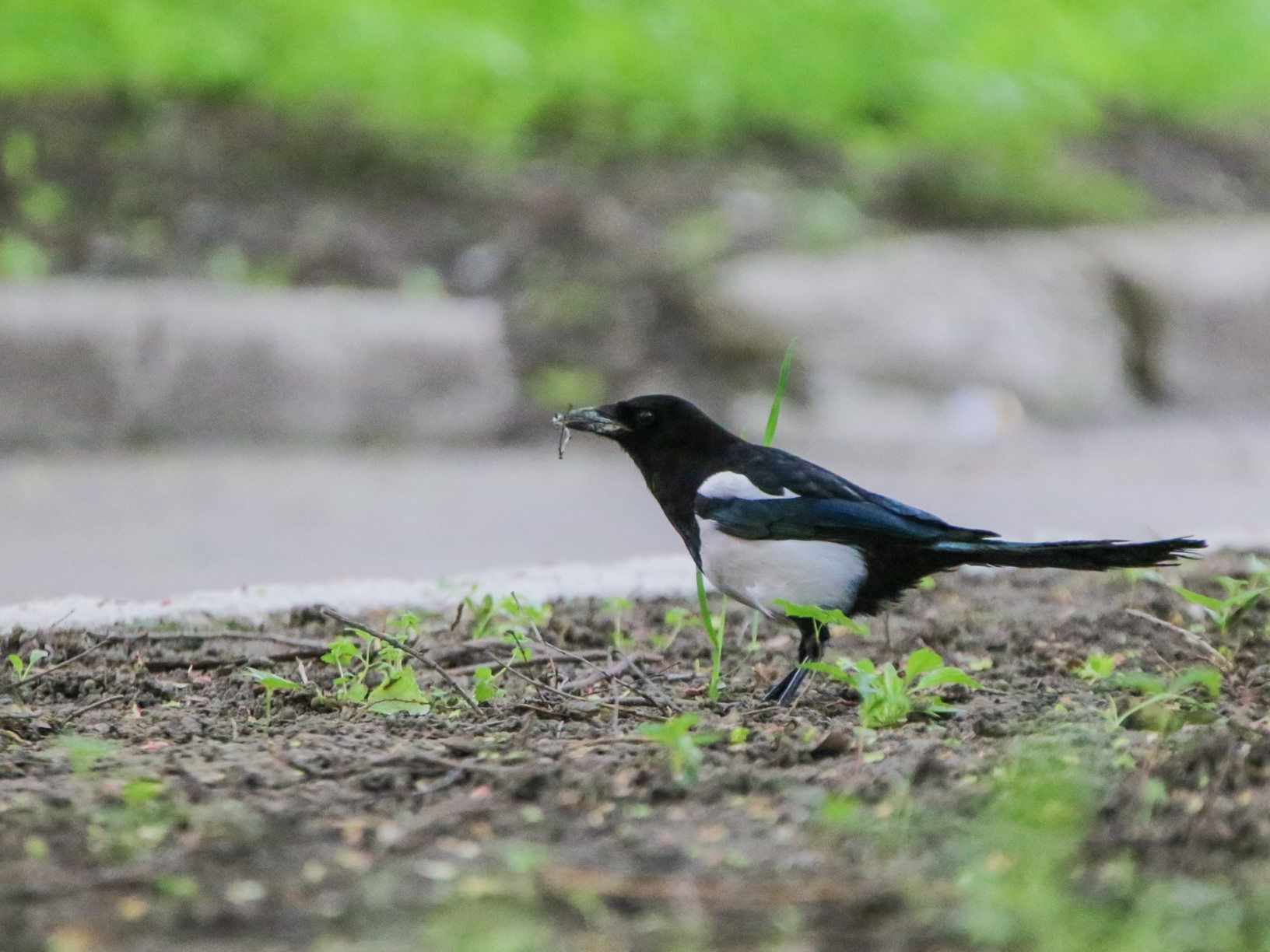
Coțofană
Pica picaSe întâlnește în special în regiunile de șes și dealuri, într-o mare varietate de regiuni deschise, luminoase, mai ales în cele cu copaci răzleți, pășuni, tufișuri, pâlcuri de copaci sau la liziera pădurilor. În habitatele antropice preferă terenurile agricole mixte, pajiștile aflate în apropierea apelor, parcurile și grădinile, cu garduri vii și grupuri mici de copaci. Este o specie sedentară, putând fi văzută pe parcursul întregului an.
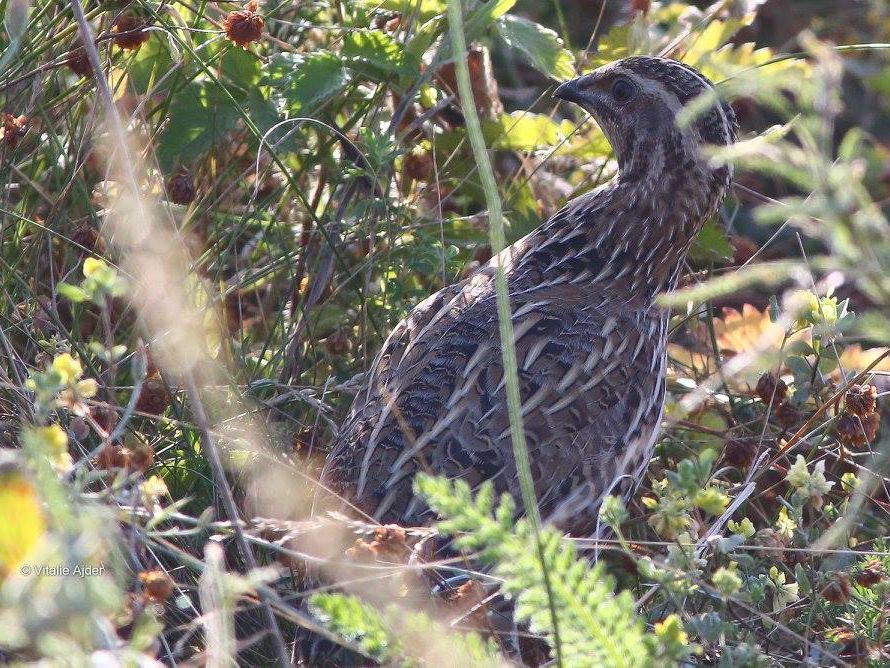
Prepeliță
Coturnix coturnixEste o specie caracteristică zonelor deschise, luncilor cu iarbă înaltă. Este oaspete de vară, putând fi observat în perioada aprilie-octombrie.
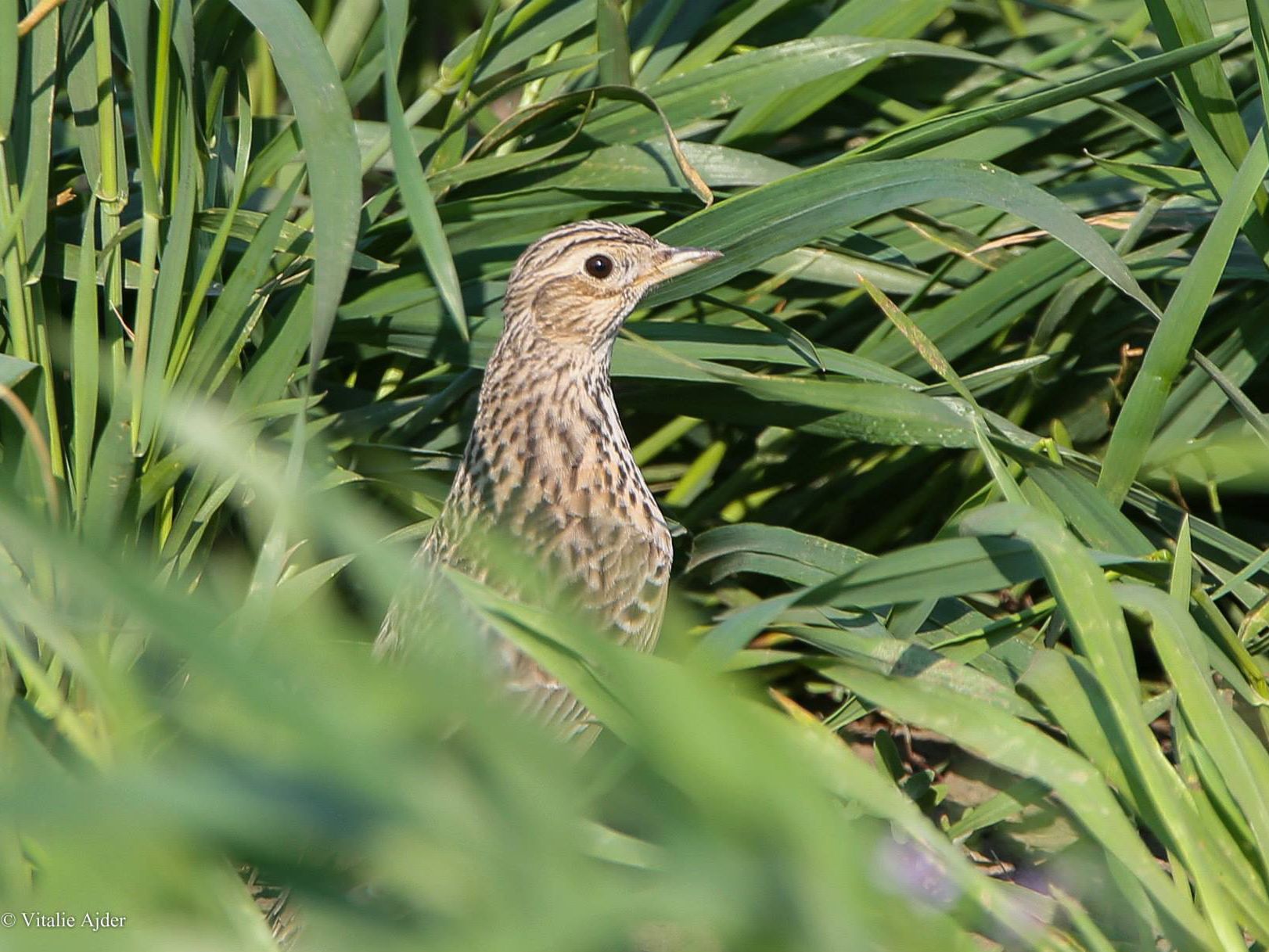
Ciocîrlie
Alauda arvensisPreferă habitatele de stepă și câmpie cu vegetație ierboasă abundentă. Este oaspete de vară, putând fi observat în perioada aprilie-octombrie.
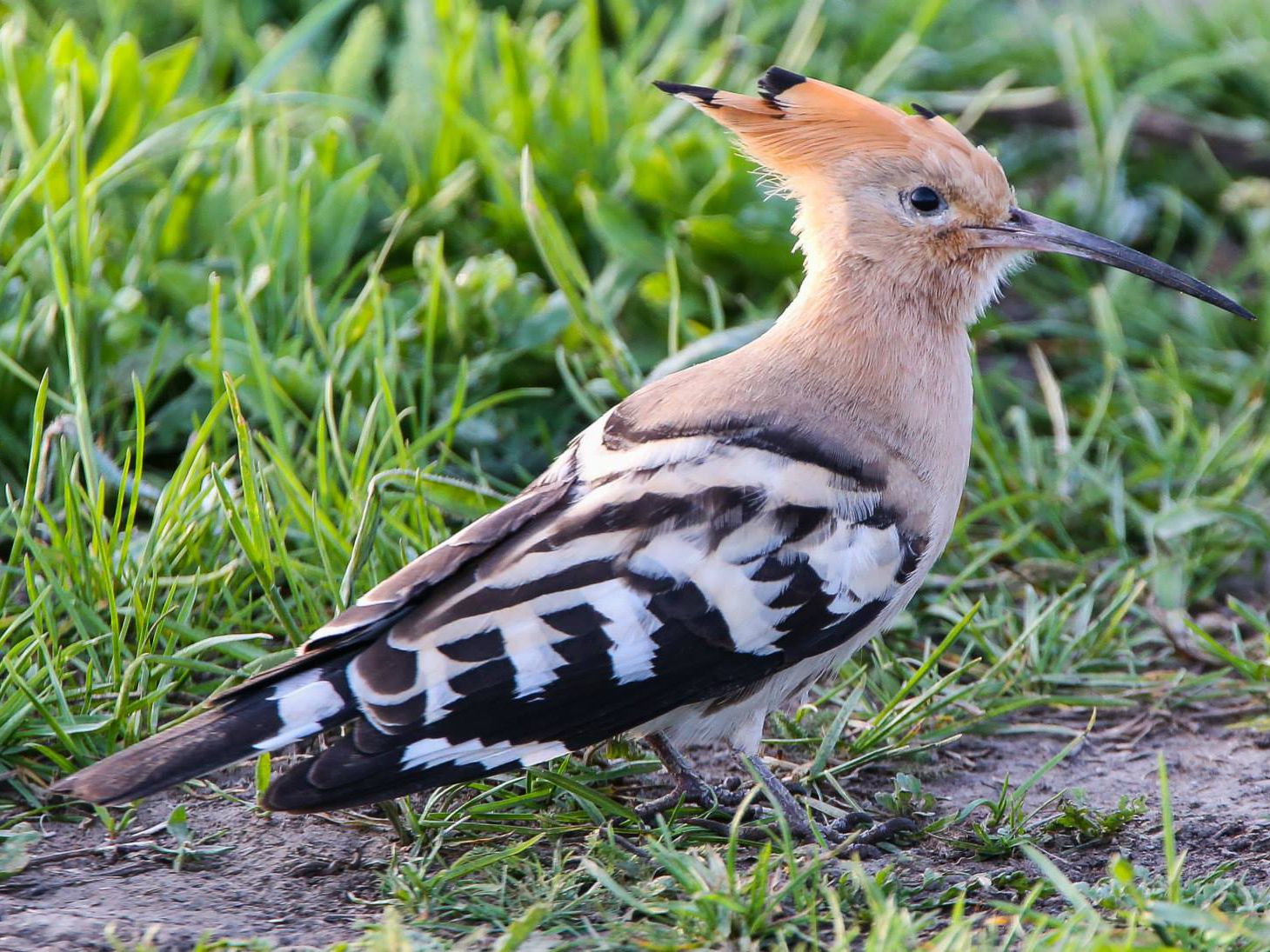
Pupăză
Upupa epopsPreferă habitatele de câmpie, cu elemente de stâncărie sau ravene/pante unde își poate face cuib. Este oaspete de vară, putând fi observat în perioada aprilie-octombrie.
Presură sură
Emberiza calandraEste o pasăre comună în regiunile deschise, de câmpie și de deal. În general, este o specie sedentară, putând fi văzută pe parcursul întregului an, însă unele stoluri pot migra parțial în alte regiuni.

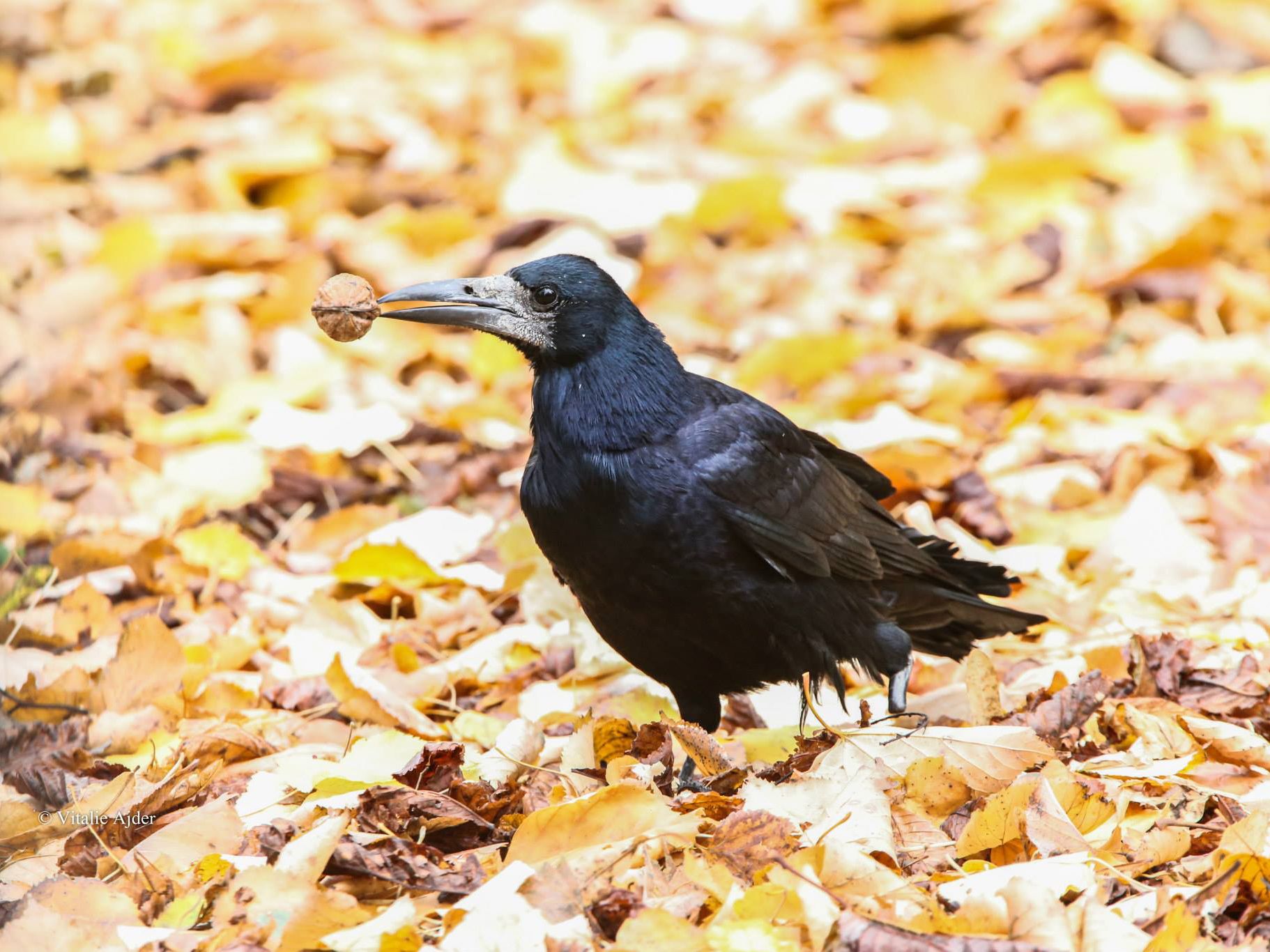
Cioară de semănătură
Corvus frugilegusPreferă habitatele agricole, cu pâlcuri de copaci cu frunze căzătoare, cu precădere plopi sau copaci cu coronament bogat, unde își pot instala coloniile. Este o specie sedentară, putând fi văzută pe parcursul întregului an.
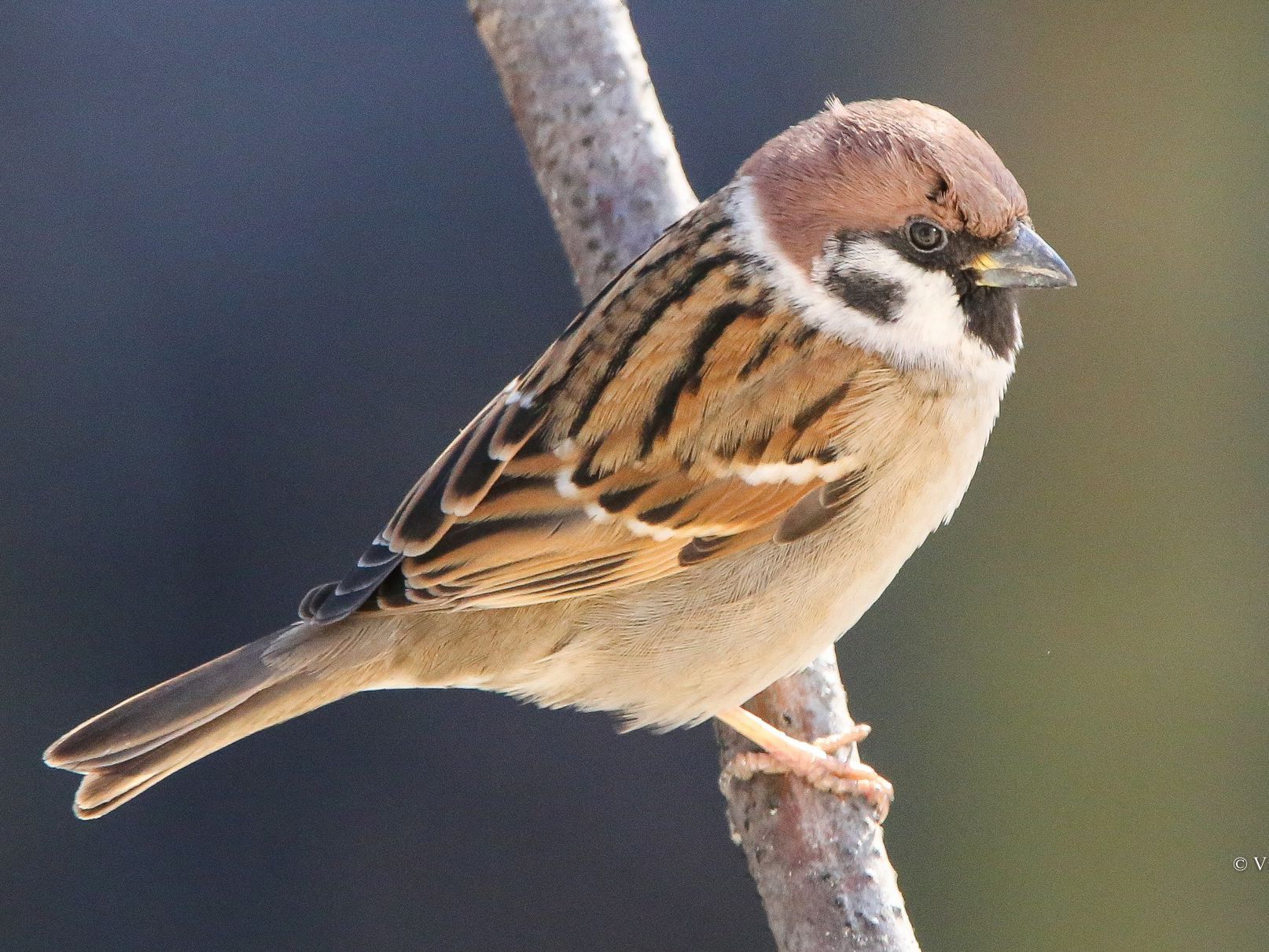
Vrabie de câmp
Passer montanusOcupă majoritatea habitatelor, în special cele deschise: terenuri agricole, lunci, pășuni, grădini, chiar și localitățile rurale/urbane. Este o specie sedentară, putând fi văzută pe parcursul întregului an.
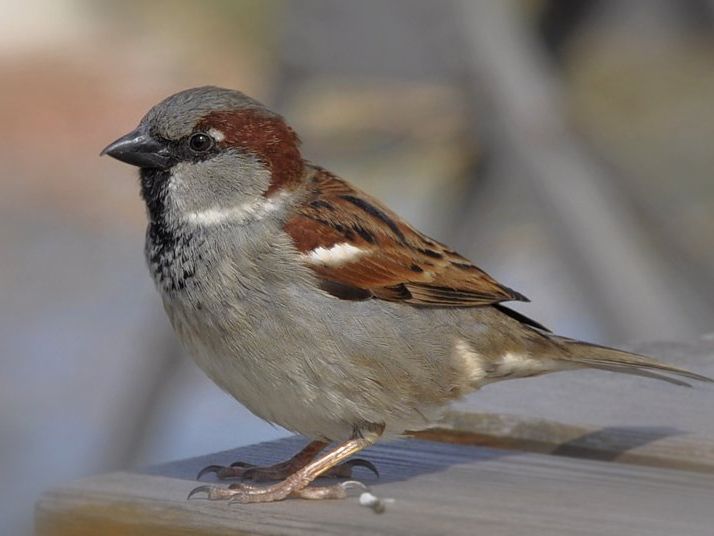
Vrabie de casă
Passer domesticusPreferă habitatele antropice, de obicei localități rurale și urbane, dar și construcții izolate. Este o specie sedentară, putând fi văzută pe parcursul întregului an.
Recommendations
The following gear is recommended for use while on the trail:
- Cap or bandana in the warm seasons
- Hat and gloves in the cold season
- Loose and comfortable clothes; dressing in layers is recommended: shirt, blouse, sweater, vest, jacket, depending on the season
- Long hiking pants
- Waterproof clothing
- Field shoes (hiking boots or hiking sandals, depending on the season)
- Backpack
- Water
- Sunglasses
- Sunblock
Equipment
- Binoculars. Orheiul Vechi Reserve, as well as the Butuceni and Trebujeni village guest houses have binoculars for rent. Contact the reception desk for details.
- Riflescope.
Other recommendations
Rules
When birdwatching, we should follow several rules:
These rules are at the cornerstone of birdwatching and are aimed at both beginners and advanced birdwatchers. Observance of these rules is primarily about the respect for the nature, wildlife and the rights of other beings. We assure you that you will be more successful in your birdwatching if you will abide by them!
- The safety of wild fowl comes first, therefore we cannot behave in a way that would scare them away or endanger their lives:
- do not follow them
- do not get too close to them or their resting place
- do not stay too long near their nests and do not bother the clucking birds or birds with hatchlings in no way
- do not listen to music at full volume
- do not yell
- do not make chasing away gestures
- do not try to catch them to make photos or to have a better look at them
- The habitat is the home of wild animals; hence we should not damage or pollute the place where we birdwatch. The following are strictly prohibited:
- Littering on the route
- Cutting down trees
- Dislodging rocks
- Taking any object as a memento
- Smoking or drinking alcoholic beverages
- Any other behavior that will lead to the damaging of the habitat following your visit.
- Respect the privacy and property rights of the local people, therefore do not use your binoculars to look into people’s courtyards and houses, do not divert from the marked route and focus only on the things you are interested in.